- All About Sweet Williams
- Varieties and Blooming Season
- Best Time to Plant Sweet Williams
- Where to Plant Sweet Williams
- How to Care for Sweet Williams
- Pruning Sweet Williams
- What to do with Sweet Williams after the growing season
- My experience growing Sweet Williams
- Garden Talk Posts:
All About Sweet Williams
Sweet William (Dianthus barbatus) is a delightful flowering plant that captures hearts with its vibrant colors and fragrant blooms. The name “Sweet William” is said to be inspired by Prince William of Orange. This flower symbolizes admiration and finesse, making it a delightful addition to gardens and bouquets

Varieties and Blooming Season
Varieties
- Sweet William comes in various cultivars, each with its unique charm. Here are some popular ones:
- Single Flowered Varieties: These have a single layer of petals and come in vibrant colors like red, pink, and white.
- Double Flowered Varieties: These boast densely packed, frilly petals, creating a lush appearance.
- Bicolor Varieties: These combine two colors, often with contrasting edges or centers.
- Auricula-Eyed Varieties: These feature a contrasting “eye” in the center of each petal.
- Fringed Varieties: Their petals have delicate fringed edges.
- Dwarf Varieties: These are compact and perfect for containers or small spaces.
Blooming Season
Sweet William typically blooms in late spring to early summer. With proper care, such as deadheading (removing spent flowers), it can continue to produce vibrant blooms throughout the summer and sometimes into early fall

Best Time to Plant Sweet Williams
- Sweet Williams can be grown from seeds, and they typically don’t bloom in the first year.
- Sow the seeds indoors in early spring or directly in the ground in late summer or early fall.
- Cover the seeds with a thin layer of soil and keep them moist until they germinate (usually about 2-3 weeks)
Transplanting Seedlings
If you’re starting with seedlings, transplant them into your garden after the last frost date for your area. Sweet Williams tolerate a little crowding, so they can be planted close together. They look great filling in flowerbeds or as border edging.
Where to Plant Sweet Williams
- Sunlight:
- Plant Sweet William in an area that receives full sunlight or, at most, partial shade.
- While it can tolerate light shade, too much shade may result in leggy and floppy plants.
- In hot regions, providing some afternoon shade can help prolong the bloom time.
- Soil:
- Sweet William can tolerate various soil types, except for wet and heavy conditions.
- Well-drained, fertile, loamy soil is ideal for its growth.
- It can survive in soils with different pH levels but often performs best in a neutral to slightly alkalinesoil.
- Some growers add lime to the soil before planting.
- Water:
- Water Sweet William regularly throughout the growing season, but be cautious not to overwater.
- Waterlogged conditions can promote fungal diseases.
- Aim for a moist but not saturated substrate
- Temperature and Humidity: Sweet William is relatively cold-hardy and can survive light frosts.However, deep freezes may cause the plant to die down.It doesn’t thrive in high humidity, and temperatures above 85°F (29°C) can lead to dormancy

How to Care for Sweet Williams
- Planting:
- Soil: Choose rich, well-drained soil for your Sweet Williams.
- Spacing: Space the plants about 8 inches apart as bedding plants to allow for the dense foliage that appears during the first year.
- Sunlight: Provide full, filtered sun, but in hot temperatures, partial shade is beneficial to prolong the bloom time.
- Watering: Irrigate regularly, but be cautious not to overwater. Sweet Williams tolerate dry soil well.
- Fertilizing:
- Feed your Sweet Williams with an all-purpose liquid fertilizer every 6 to 8 weeks during the growing season. Follow the product label instructions for the correct amount to use.
- Pruning:
- Late winter or early spring is the best time to prune Sweet William. Cut just above the leaf nodes to encourage new growth

Pruning Sweet Williams
Pruning Sweet Williams (Dianthus barbatus) is essential for maintaining their health and encouraging abundant blooms. Here’s a step-by-step guide on when and how to prune your Sweet William plant:
- Timing:
- The best time to prune Sweet Williams is after they finish blooming, typically in late spring or early summer. This allows the plant to recover before the next flowering season.
- However, if you notice any dead or diseased foliage, it’s best to remove it immediately, regardless of the time of year.
- Tools Needed:
- Pruning shears: Use sharp pruning shears for cutting thicker stems and removing spent flowers.
- Gardening gloves: Protect your hands from thorns and potential skin irritation.
- Disinfectant: Clean your pruning tools with disinfectant before and after each use to prevent disease spread.
- Step-by-Step Pruning Guide:
- Assess the Plant: Examine your Sweet William plant and identify any dead, diseased, or damaged stems and foliage. These should be your primary targets for pruning.
- Remove Dead and Diseased Stems: Use pruning shears to make clean cuts at the base of dead or diseased stems. Cut just above a healthy leaf node or bud to encourage new growth.
- Trim Spent Flowers: Look for spent flowers (those that have faded and lost their vibrant color). Trim them off by cutting just above a healthy leaf node or bud. Redirect the plant’s energy toward producing new flowers.
- Shape the Plant: To maintain a compact and tidy appearance, shape your Sweet William plant by removing any straggly or overgrown stems

What to do with Sweet Williams after the growing season
- Pruning:
- Late winter or early spring is the best time to prune Sweet William. Trim back the plant by cutting just above the leaf nodes. New growth will emerge from these points.
- Removing spent flowers during the growing season can also encourage new blossom growth and prevent seed formation if you want to control your garden more closely.
- Winterization:
- After Sweet William has finished blooming, clip back the stems and leaves. Allow them to die naturally from exposure to the cold.
- Apply a 6-inch layer of loose, shredded mulch to the ground above the plant after all foliage has withered and died. This helps protect the roots during winter2
- Overwintering:
- Sweet Williams are typically biennial plants, meaning they die back after flowering in the second year of growth.
- Depending on the variety and favorable conditions, they may also grow perennially.

My experience growing Sweet Williams
I did not actually plan to grow Sweet Williams, it was not even on my list and I really do not know about it. What happened was a blessing in disguise. I bought a huge pack of perennial wild flower seeds that was on sale sometime late Summer. I sprinkled them on the edge of my garden border and on the first year that it came out, I got really interested in it.
Usually, in the first year it is not supposed to give you flowers but in my case it did. I don’t know how but I am thankful for that. It is a very low maintenance flower, I did not even use any fertilizer and they just keep on blooming like crazy.
The came if different colours, a lot of them are in bright maroon, pink, some are combination of 2 colours and some white as well. Although they do not grow as tall for cut flowers, they still make a great cut flower in my opinion. They are great from making a bundle rounded bouquet style arrangement or as fillers.
Overall, I am pretty happy with Sweet Williams. I initially thought they were biennial but for some good reason, this is the third year that I have it and they still keep on coming back. It seems the variety that was included in the pack was the perennial ones. I am glad I did not pull them out last year. I thought I would experiment and see if they will come back and they did. Love it!

Garden Talk Posts:




- Why You Should Plant Hyacinths
- How to Plant Paper White With or Without Soil
- How to Store Herbs so They Last Longer
- I Never Knew I Love Snow Peas Until I Started Growing Them Myself
- My Flower Garden Cut Flower Arrangement (2022)
- What is in My Garden (2022)
- Veggies I Have in My Garden (2022)
- Garden Talk 2024: Vibrant Summer Blooms: Lily, Sweet Pea, Dahlia, and More
- Garden Talk (2024): Shatsa Daisy: Planting, Growing & Caring
- Garden Talk (2024): Lily: Plating, Growing & Caring
- [VIDEO] Garden Talk (2024): Sweet Williams: Plating, Growing & Caring
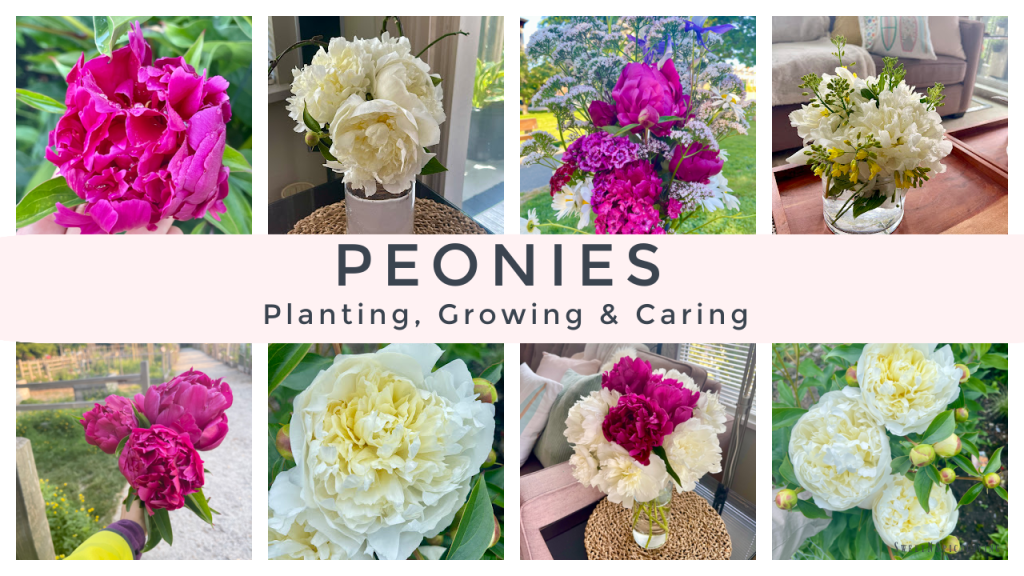
- Garden Talk (2024): Peony: Plating, Growing & Caring
- Garden Talk (2022): My Flower Garden Cut Flower Arrangements
Thank You for visiting my website. Please don’t forget to click the “Like” button below if you like this recipe. Lastly, did you know that I have a YouTube Channel? Please support my channel by clicking on the “Subscribe” button in my video and the “Bell” icon to get notification of new videos.

FOLLOW SWEETNSPICYLIVING ON SOCIAL MEDIA
Facebook | Instagram | Pinterest | Twitter | YouTube
Share this:

Categories: Gardening
 SweetnSpicyLiving
 sweetnspicyliving.com
Ah, some of my favorite garden plants. So lovely.
LikeLiked by 1 person
What is your favourite perennial flower?
LikeLiked by 1 person
I love peonies, and roses and stargazer lilies, of course. Spring primroses and Sweet William phlox, dianthus. This time of year, I adore the phlox and monarda, the coneflowers, the wild Queen Ann’s lace and chicory on the sides of the roads. I guess I have a lot of favorite children.
LikeLike
Lilies are the BEST 🙂 I tried planting phlox from seed but was not successful ..
LikeLiked by 1 person